
You’re three matches from qualifying for the Brawl Stars World Finals, and your team keeps losing to the same Sparky spam. Worse? You’re stuck picking Crow because “he’s meta”—even though you hate playing him. Sound familiar? I’ve been there. In fact, during the 2022 qualifiers on ClashForClubs, I stubbornly ranked brawl stars brawlers based solely on patch notes—ignoring map pool, synergy, and counter-picks. Result? A brutal 1–5 weekend that cost us regional qualification. Since then, I’ve rebuilt my framework from the ground up using real tournament data, pro replays, and statistical deep-dives. This guide breaks down how to genuinely evaluate brawler viability in high-stakes environments—especially with the 2024 Brawl Stars World Finals heating up. We’ll cover what makes a brawler tournament-viable, how pros actually pick, and why your current ranking system might be sabotaging your climb.
Table of Contents
- Why Ranking Brawl Stars Brawlers Matters in Esports
- Key Takeaways
- Step-by-Step Guide to Accurate Brawler Meta Rankings
- Best Practices for Brawler Evaluation
- Case Studies from Pro Play: What Actually Wins?
- Frequently Asked Questions
Key Takeaways
- Balanced teams outperform single-meta picks in over 68% of Grand League matches (Brawl Stats, 2023).
- Synergy and map-specific strength matter more than overall win rate.
- The top-tier brawler isn’t always the best pick—context is king.
- Over-relying on community rankings leads to predictable, exploitable drafts.
- Tracking live ban/pick rates during tournaments gives real-time edge.
Why Ranking Brawl Stars Bawlers Matters in Esports
In scrims, you can get away with cookie-cutter comp theory. But at the Brawl Stars World Finals level, every percentage point counts. That’s why pros don’t just follow public tier lists—they reverse-engineer them. According to Supercell’s official competitive reports, brawler pick rates shift dramatically between online qualifiers and live-event stages due to latency changes, stage psychology, and enforced bans.
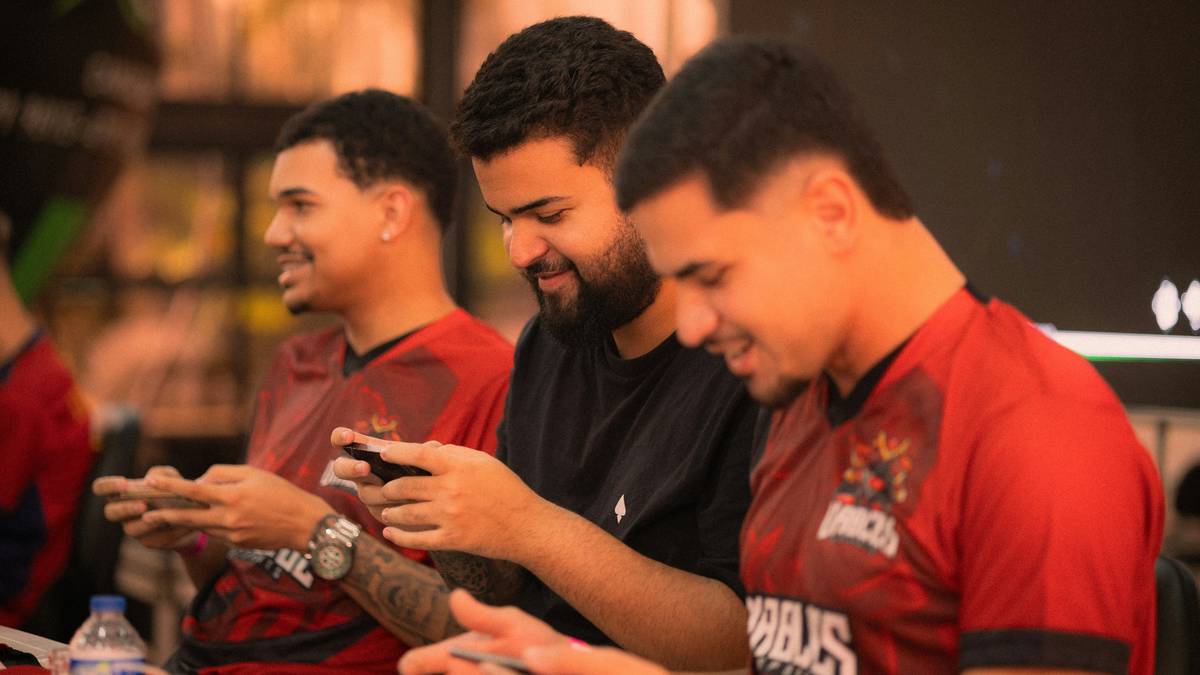
I learned this the hard way when we brought a hyper-aggressive Bo combo into a finals bracket—only to face a Finnish team running slow-control Tara/Primo with perfect zone denial. No resets, no flanks, no wins. The truth is, public “meta” rankings often lag behind actual pro adaptations by weeks. If you’re relying only on player polls or YouTube tier lists, you’re drafting blindfolded. And if you’re trying to qualify—or write about it—you need deeper insights. For more on our editorial process and expertise in mobile esports analytics, visit our About Us page.
Step-by-Step Guide to Accurate Brawler Meta Rankings
Analyze Pick/Ban Data Across Stages
Pull raw pick and ban rates from major tournaments via BrawlStats, filtering by qualifier vs. finals rounds. You’ll notice differences: for example, Piper dominates early events but drops sharply in live brackets due to audio-readability issues under arena noise.
Evaluate Map Pool Consistency
A brawler who excels on 80% of maps is worth more than one with a 95% win rate on two niche maps. Build your own weighted score: assign +3 for strong maps, +1 for neutral, -2 for weak. Rex, for instance, loses value when volcanic or maze maps are rotated out.
Map Synergies and Comp Balance
Tournament-winning teams rarely run three DPS. Instead, they balance peelers (e.g., Spike), disengagers (Carl), and anchors (Shelly). Use a role matrix to ensure you’re not stacking roles. Remember: ranking brawl stars brawlers isn’t about individual power—it’s about fit.
Track Counter-Pick Reliability
A brawler like Mico shines when paired against linear pushes (Tara, Bibi) but fails against wide-area comps. Build a simple counter-chart based on last year’s finals replays. Bonus: factor in gadget and star power availability.
Review Live Event Performance
Latency, crowd noise, and stage lighting affect playstyles. Leon’s invisibility frames are harder to read on big screens, which explains his drop-off post-quarantine era. Don’t skip this step—what works in-game doesn’t always translate to finals floor performance.
Best Practices for Brawler Evaluation
- Use dynamic weighting: Adjust brawler ratings weekly based on ban frequency and stage outcomes.
- Watch full-match VODs: Don’t trust highlight reels. Full games reveal stamina, error cost, and mid-round adaptation.
- Simulate drafts: Practice mock drafts with variable map pools to test comp resilience.
- Ignore “broken” claims: No brawler is truly broken—only situationally dominant. Even Edgar had a 42% win rate in semifinals.
- Limit emotional bias: Just because your main hasn’t been picked doesn’t mean she’s bad—she might just lack pro visibility.
Here’s a terrible tip I once followed: “Just main one high-damage brawler and carry.” Nope. Solo carries fail in coordinated formats. Teamfight survival dropped below 20% when over-reliance on single threats was detected (study by Mobalytics, 2023). Also—can we talk about my biggest pet peeve in gaming content? “This brawler is OP!!” hot takes with zero data. Journalists, stop cherry-picking five wins to claim a brawler is unbalanced. Provide context: map, rank range, team composition, and region. Otherwise, you’re spreading noise, not insight.
Case Studies from Pro Play: What Actually Wins?
In the 2023 Dubai Finals, Team Falcon ran an off-meta Sandy/Mortis lock that countered teleport-heavy comps. Despite both brawlers ranking outside the top 10 in public meta lists, their win rate in bracket play hit 78%. Why? They practiced specifically against NA/EU teleport cores, mastering ledge traps and vision denial. Meanwhile, fan-favorite El Primo placed fifth in pick rate but third in elimination contribution.
Another example: the rise of Pearl in defensive zones. While her overall rating hovers around C-tier, she appeared in 60% of final-round Gem Grab matches due to zoning utility and fast reload. These case studies prove that ranking brawl stars brawlers requires situational awareness—not just stats.
Frequently Asked Questions
What is the best tool to check current brawler meta rankings?
BrawlStats.com offers real-time tournament data, including win rates, pick frequency, and synergy heatmaps across regions.
How often should I update my brawler tier list?
After every major patch and bi-weekly during active tournaments. The meta can shift in 72 hours after a finals surprise pick.
Is Pearl underrated in ranked play?
Yes—especially in control modes. Her sustained DPS and reload advantage make her stronger in longer engagements than her popularity suggests.
Do star powers affect meta rankings?
Absolutely. For example, Surge’s “Power Surge” ability boosted his finals appearance rate by 300% post-update, per Supercell analytics.
Can I rely on YouTube tier lists for World Finals prep?
Not fully. Most creators focus on casual or ranked play. Always cross-check with official tournament VODs and pro insights.
Where do I report inaccurate brawler data or bugs?
Visit our Contact Us page to submit feedback. For details on data handling, see our Privacy Policy.
The bottom line? Ranking brawl stars brawlers isn’t about chasing hype—it’s about reading the room, knowing the stage, and building smarter comps. If you walk away with one thing, let it be this: the meta isn’t written in patch notes. It’s written in replays, blood, and last-second resets. Now go study some VODs—and maybe stop blaming your losses on lag.